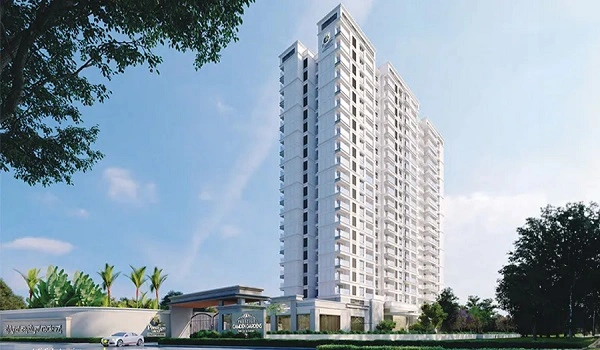
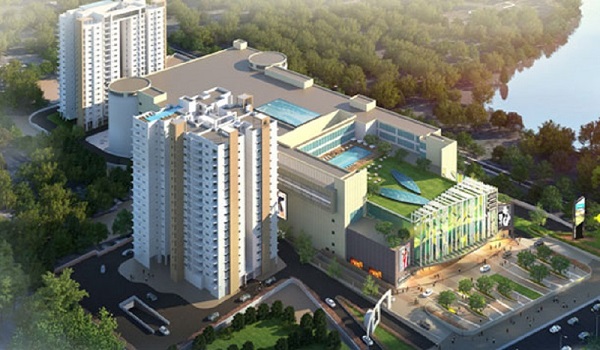
 Prestige City Sarjapur
About Varthur Lake - History To Present Day Update 2025
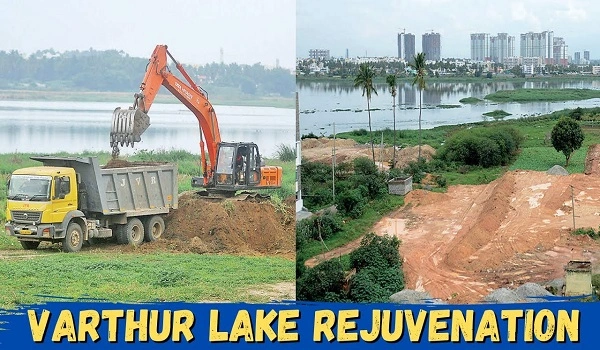
Varthur Lake is one of the largest lakes, covering about 445 acres and is also the 2nd largest man-made lake in Bangalore. It was built during the time of the Ganga dynasty, over 1,000 years ago. The main purpose of the lake was to support agriculture and provide water for domestic use to nearby villages. It stored rainwater and helped farmers with irrigation, especially in dry seasons. For many years, it was an important source of life and livelihood for the local communities around Varthur. Over time, it became badly polluted due to the city's growth and untreated sewage flowing in, especially from nearby areas like Bellandur. The lake once had many types of fish and clean water, but now only a few fish species survive, and the water is not safe to use.
In recent years, the government and local groups have tried to clean it. Most of the silt has been removed, and plans for planting trees and creating a biodiversity park have started. But problems like sewage entering the lake, pollution, and construction near the lake still continue in 2025. People in the area are also worried about health and water safety. Even with some progress, more work is needed to restore Varthur Lake fully.
Varthur Lake Dimensions:
| Dimension | Value |
| Area | 180.4 hectares (445.8 acres) |
| Average Depth | 1.05 meters (3.44 feet) |
| Maximum Depth | 2.0 to 2.55 meters |
| Catchment Area | 148 to 279 km2 |
| Maximum Length | 1,810 meters (1.12 miles) |
| Total Land Area | 10 Acres |
| Maximum Width | 1,040 meters (0.65 miles) |
- Varthur Lake was built over 1,000 years ago during the rule of the Ganga dynasty.
- It was an artificial lake created to store rainwater.
- The lake supported agriculture, livestock, and the daily water needs of nearby villages.
- The lake continued to serve farming communities.
- Local rulers maintained the lake as a vital water source for irrigation.
- The lake was documented in colonial records as one of Bangalore’s important tanks (lakes).
- It helped manage seasonal water flow and supported rural areas in Varthur and Whitefield.
- Rapid urbanisation of Whitefield and East Bangalore began.
- Sewage and waste from new buildings started entering the lake.
- No proper sewage treatment infrastructure was in place.
- Varthur Lake started receiving untreated sewage from upstream areas, especially Bellandur Lake.
- The number of native fish species began to drop due to toxic pollutants.
- The National Green Tribunal (NGT) issued orders to rejuvenate Bellandur and Varthur Lakes.
- An expert committee was formed under Justice N. Santosh Hegde.
- Plans for desilting and treatment plants were announced but poorly implemented.
- The NGT committee was dissolved.
- Lake restoration activities slowed due to a lack of coordination and funding.
- 95% of the silt in the lake was removed.
- Work began on creating wetlands, planting saplings, and developing a biodiversity park.
- Some progress has been made, but sewage still enters the lake.
- Locals raise concerns over construction projects and public health risks.
- Restoration is ongoing, but full recovery depends on strong action and monitoring.
Latest News on Varthur Lake: Flamingo Sighting in 2025
In August 2025, a Greater Flamingo was spotted at Varthur Lake, Bengaluru, which has created excitement among bird watchers and residents nearby. Such a rare sighting in a polluted and drying lake has raised fresh hope for lake rejuvenation and biodiversity revival. This attraction of the Varthur Lake currently led to an increase in the number of visitors to the place.
- Silt Removal (Completed): By 2023, the government had removed around 95% of the toxic silt from the lakebed. This helped improve the lake’s water capacity and made space for natural cleaning methods like wetlands.
- Wetland Development (Ongoing): Work began to create wetlands around the lake to filter sewage water naturally. This process is still going on in 2025, but progress is slow.
- Biodiversity Park Project: A biodiversity park was planned near the lake. The aim is to plant over 10,000 trees to improve air and water quality. However, some locals raised concerns about the way the plantation work was carried out.
- Sewage Treatment (Still a Challenge): The government made efforts to direct sewage to treatment plants instead of letting it flow into the lake. But in 2025, sewage will still enter the lake, especially during heavy rains.
- Monitoring of Illegal Construction: The authorities have tried to stop illegal buildings and encroachments near the lake. Some projects were paused, and public complaints helped bring attention to violations of the lake buffer zone rules.
- Community Involvement: Community Involvement: Local people and environment groups are working with the government. They help by organising cleanup drives, spreading awareness, and pushing for faster action.
Some positive changes have happened, like desilting and plantation work, but pollution and sewage inflow are still big problems. The lake is not yet fully clean. More work and strict action are needed to protect and restore Varthur Lake completely.
FAQS
Yes. Studies show it’s a eutrophic lake with high organic waste and phosphorus from long-term sewage inflow. In 2025, reports still note untreated sewage entering the lake.
Parts of the lake went dry during de-silting/poor rains, and the sewage-diversion channel breached again earlier, letting dirty water in. The planned STP is still pending, so cleanup is incomplete.
Ulsoor (Halasuru) Lake—central, calm, with walking paths and boating (check local timings). Typical hours are 6:00 am–8:00 pm.
It’s a man-made tank from the Western Ganga dynasty, originally for irrigation and village water use.
About 2.0 m max depth and 1.05 m average, deepest near the dam wall; area 180 ha (445 acres). “40% of Bengaluru’s sewage” goes to the Bellandur–Varthur chain—this is a historic estimate used by researchers and media to show scale.
Prestige Group pre launch new project is Prestige Evergreen